| Akhshay Tritiya | |||
|---|---|---|---|
|
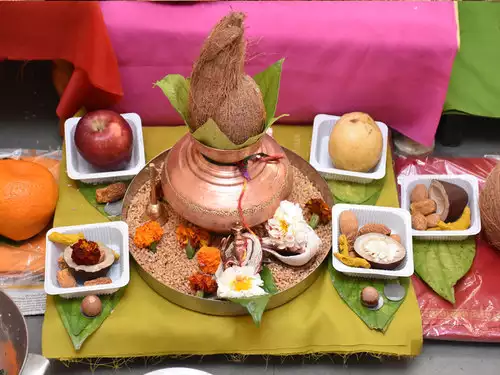
Akshaya Tritiya, also known as Akha Teej, is an auspicious Hindu festival celebrated annually on the third lunar day of the bright half of the Indian lunar month of Vaishakha (April or May). This significant day holds deep cultural and religious significance across various regions of India and is marked by rituals, ceremonies, and festivities. The name "Akshaya Tritiya" itself signifies "the third day of unending prosperity" in Sanskrit, symbolizing eternal prosperity and auspicious beginnings. One of the primary reasons Akshaya Tritiya is celebrated is due to its association with several mythological and historical events. According to Hindu mythology, it is believed that on this day, both Lord Parashurama, the sixth avatar of Lord Vishnu, and Lord Krishna's childhood friend Sudama received divine blessings and attained prosperity. Additionally, it marks the day when the great sage Vyasa began dictating the Mahabharata to Lord Ganesha. These tales emphasize the significance of starting new ventures, making investments, and seeking blessings for success and prosperity on Akshaya Tritiya. Furthermore, Akshaya Tritiya holds particular importance in the realm of Hindu marriages and buying gold. It is considered an auspicious occasion for weddings and engagements, with couples often choosing this day to tie the knot or exchange rings. The belief in the eternal nature of relationships and the prosperity they bring is deeply ingrained in the cultural fabric associated with this festival. Additionally, buying gold on Akshaya Tritiya is believed to bring good fortune and wealth. Many people invest in gold or purchase gold jewelry on this day, considering it an auspicious beginning for wealth accumulation and financial stability. |
 |
||
|
The traditional procession known as "Mangal Shobhajatra" is a significant aspect of Poila Baisakh celebrations, particularly in Bangladesh. Led by colorful floats, adorned with symbolic motifs representing cultural and social themes, this procession symbolizes the spirit of resilience, solidarity, and unity among the people. The spiritual significance of Akshaya Tritiya is also highlighted through various rituals and acts of charity. Devotees visit temples to offer prayers and seek blessings for prosperity and well-being. It is customary to perform acts of charity such as feeding the poor, donating to the needy, and supporting charitable causes on this auspicious day. These acts are believed to accumulate good karma and ensure blessings for a prosperous future. In addition to its religious and cultural significance, Akshaya Tritiya also has agricultural importance in certain regions of India. It marks the beginning of the agricultural season, with farmers starting new agricultural activities such as planting crops and sowing seeds. The festival celebrates the bounty of nature and the promise of a fruitful harvest ahead. Overall, Akshaya Tritiya is a festival deeply rooted in tradition, spirituality, and prosperity. It brings people together in celebration, encourages acts of charity and goodwill, and serves as a reminder of the eternal nature of blessings and prosperity. Whether through religious rituals, cultural customs, or personal endeavors, Akshaya Tritiya holds a special place in the hearts of millions, symbolizing hope, abundance, and auspicious beginnings. |
|||
 |
 |
 |
 |
HOME |